
Co-Living Booking App Development
Building a co-living booking app means turning a familiar real estate & property idea into software that fits your market. Success depends less on the number of screens and more on getting scheduling engine and listings & leads right from the first release.
CloneAppTech designs and builds original apps, dashboards and integrations around your brand, pricing and operating rules.
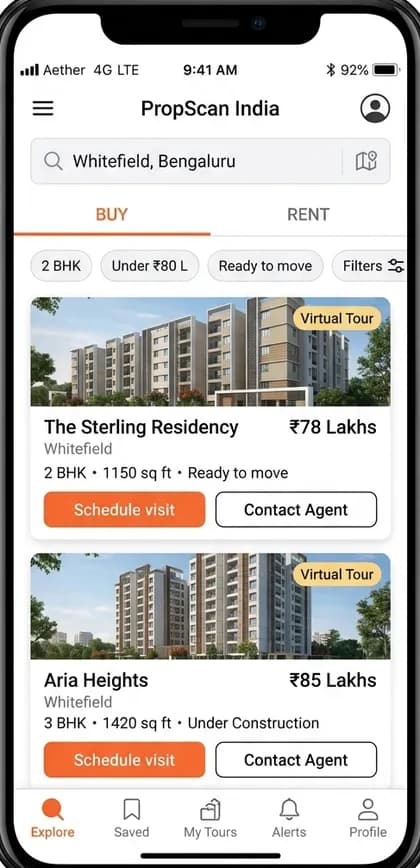
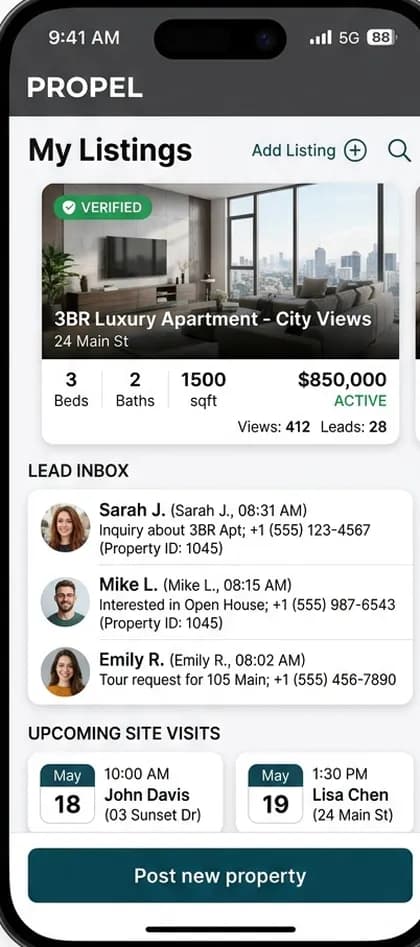
Business model
How a co-living booking app makes money
Most co-living booking app projects follow one of three models: listing portal, broker-free rental platform, property operations saas. Subscription plans connect owners and tenants directly. The right choice depends on who owns inventory or supply, how you earn per transaction and how much operational control you want.
Listing portal
Owners and brokers pay for listings, featured placement or leads.
Broker-free rental platform
Subscription plans connect owners and tenants directly.
Property operations SaaS
Management, CRM and maintenance tools for landlords and builders.
Target audience & use cases
Who this solution is for
- Institutions and public bodies
- Industry specialists with domain expertise
- Innovators working with new technology
- Existing real estate & property businesses replacing manual or outdated systems
Core application features
What the product needs on day one
- Real-time slot availability
- Buffer times and capacity limits
- Reminders by push, SMS or WhatsApp
- Reschedule and cancellation policies
- Map and locality search
- Verified listing badges
- Visit scheduling
- Lead routing to owners or agents
- Map search
- Lead routing
- Virtual tours
- EMI and affordability tools
Apps & user roles
Features for every role involved
Only the roles that apply to this business model are included.
01
Seeker app
- Map and filter search
- Photos, floor plans and virtual tours
- Shortlists and alerts
- Contact or schedule visit
02
Owner / broker app
- Listing creation and verification
- Lead inbox
- Visit scheduling
- Plan purchases
03
Admin panel
- Listing moderation
- Locality data
- Plans and lead pricing
- Fraud reports
Workflow
How a typical scheduling engine flow runs
- 1
Owner or broker posts a verified listing
- 2
Seekers discover it by locality, budget and amenities
- 3
Seeker shortlists and requests a visit
- 4
Lead is routed to the owner or agent
- 5
Deal progress is tracked in the CRM
Technology & integrations
Technical considerations
- Calendar sync with Google or Outlook and time-zone handling prevent double bookings for multi-location businesses.
- Locality data quality and duplicate detection keep listings useful.
- Locality and project data must be maintained for good search.
- 360° tours and video need streaming-friendly hosting.
- Duplicate listing detection keeps the portal clean.
- CRM integration for brokers and developers.
Compliance note: Real estate advertising may be regulated (for example, project registration numbers). Display required disclosures.
Customisation options
Make it yours
- Your brand identity, colours, typography and app icon
- Business rules for scheduling engine configurable from the admin panel
- Languages, currencies and regional tax settings
- Payment gateways and payout methods available in your country
- Commission, fee or subscription structure
- Optional modules added in later phases
Development scope
A typical first release includes the seeker app, owner / broker app, admin panel, a backend API, cloud hosting setup and the integrations for scheduling engine and listings & leads. Optional modules are planned into later phases.
Factors affecting pricing
What drives the cost of a co-living booking app
Medium-level projects typically start from ₹1.5 Lakh ($1,800). Your exact quote depends on these factors.
- Slot engine and reminders
- Listings data and lead routing
- Portal vs. SaaS scope
- Map and locality data
- Media hosting
- Lead and subscription billing
- CRM and management modules
Project phases
Estimated phases, testing and launch
Durations are agreed after discovery; testing, deployment and maintenance are part of every plan.
Phase 1
Discovery
Confirm the co-living booking app business model, user roles and must-have features.
Phase 2
Design
Original user flows and interface design for each app and the admin panel.
Phase 3
Build
Mobile apps, backend APIs and scheduling engine, listings & leads.
Phase 4
Test
Functional, device and load testing of critical flows.
Phase 5
Launch
Store submission, cloud deployment and monitoring.
Phase 6
Improve
Maintenance and roadmap features based on real usage.
FAQs
Co-Living Booking App questions
How much does it cost to build a co-living booking app?+
Cost depends on the roles you need (seeker app, owner / broker app, admin panel), the depth of scheduling engine, integrations and platforms. Medium-level builds typically range from ₹4–10 Lakh ($4,800–$12,000) for multi-role apps, and from ₹1.5 Lakh ($1,800) for a focused first release; we confirm the exact quote after reviewing your requirements.
Can I reduce no-shows?+
Automated reminders, deposits and cancellation windows are the most effective combination.
Can listings be verified?+
Yes, via document checks, owner verification or field visits recorded in the app.
Do you support new-project listings?+
Yes, with project pages, unit configurations and builder dashboards.
Related
Explore related solutions
Related app models
Related categories
Development services
Next steps
Free consultation
Planning a co-living booking app?
Tell us your market and must-have features. We'll suggest a realistic first release for your co-living booking app and the next steps.